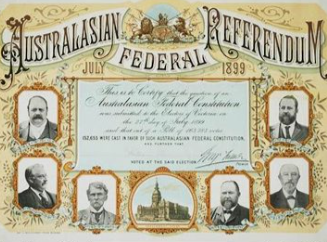
The two Referendums
The first conscription referendum in Australia was held on 28 October 1916, during the reign of World War I. As the number of volunteers dropped and casualties increased, Prime Minister Billy Hughes asked the Australian public to vote on whether the government should be allowed to force men to fight overseas.
There also was a second conscription referendum and even after the first one failed, Billy Hughes didn’t give up. This was held on December 20 1917, one year after the failed one. Despite government pressures and need for people, everyone said “no,” proving that even during war, democracy cannot be argued.
The First Referendum
Since 28th October 1916, the war has been going on for two years, soldiers dying each day, increasing the pressure for the Conscription Referendum and with less volunteers even though the British Empire needed more troops from Australia.
This happened during the first Referendum and the decision being was, “Are you in favour of the Government having, in this grave emergency, the same compulsory powers over citizens in regard to requiring their military service, for the term of this War, outside the Commonwealth, as it now has in regard to military service within the Commonwealth?”– asked by Prime Minister Billy Hughes. This meant the government was asking if it could force men to fight overseas, not just defend Australia at home.
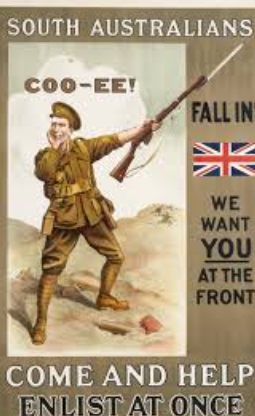
In the end, the people who voted ‘no’ won by just 3.2%. This result surprised many, especially Hughes, who believed Australians would support the idea. People who supported him had put up posters like this one.
The vote clearly showed that the country was deeply divided over the issue of conscription. After the failure of the first conscription referendum, both political and wartime tensions in Australia grew worse. The Labor Party became furious with Hughes, especially because he had once publicly promised that no man would be sent to war against his will.
Since most of the party was strongly against conscription, they no longer supported him. Eventually, Hughes was forced out of the Labor Party, and he chose to leave and form a new political group made up of people who still agreed with him.

The second referendum
Even though Hughes was kicked out of his own Labor Party, he still remained as Prime Minister for the rest of the war and made a decision to not to give up on the conscription referendum, even though it had failed the first time and caused major arguments, political tension, and even torn relationships within families and communities, who wanted to support the conscription and people who believed to not.
Hughes truly had no doubt that Australia needed more soldiers to support the British Empire; more importantly than ever since the number of volunteers continued to decrease and the war became even more tense. So, in 1917, he brought up the idea of conscription AGAIN and held a second referendum, meaning that the Prime Minister didn’t give up yet. Resulting like before, the public was split.
Campaigns, rallies, and protests were held on both sides, but in the end, many Australians still voted 'No' — this time by an even bigger percent. This showed that most people were strongly against the idea of being forced to go to war and wanted the right to choose. People even put many posters up like the one to the left.
The failure of both referendums didn’t stop Australia from supporting the war — but it meant that all soldiers who fought had chosen to do so. In the end, during 1918, peace was finally declared to Australia and whilst four years of war, people volunteered had risen to 420 000 people, (willingness for doing conscription but failed) and many people died serving the country we live in today.